End of the JCCM Regional Project:

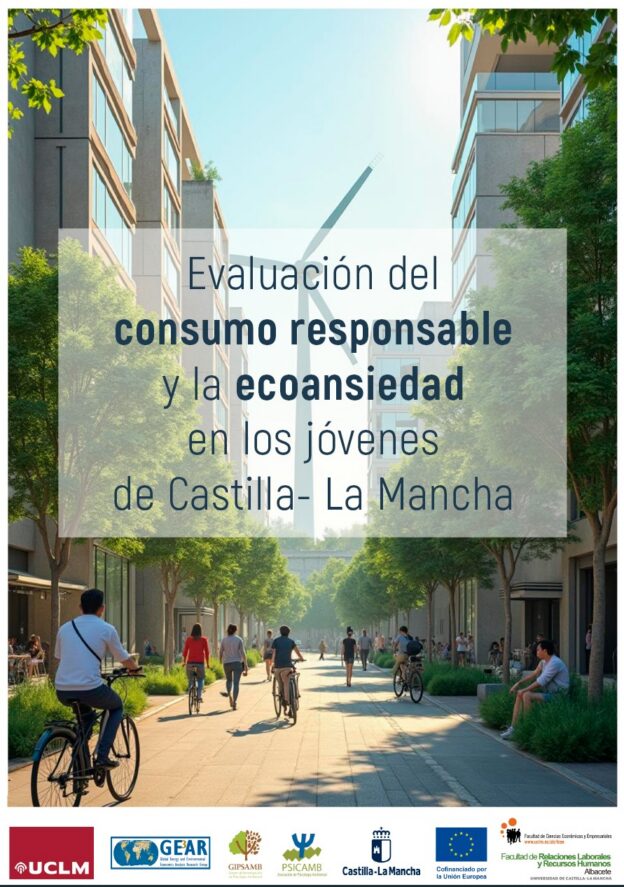
The project Evaluation of Responsible Consumption as a Driver of Sustainable and Resilient Development in Castilla-La Mancha through the Economic, Social, and Environmental Footprint (POSTER and FLYER) has concluded by preparing outreach materials presenting the main results from surveys conducted in various secondary schools across Castilla-La Mancha:

In the scientific field, the results of the research have been published in various journals:

  • Sánchez-Serrano, M., Arce, G., Zafrilla, J., López, L., 2026. Unveiling households’ vulnerabilities in Spanish regions: a carbon taxation compensation approach. Journal of Industrial Ecology. In press
  • Molina, D., Soria, C., Sánchez-Serrano, M., Osorio, P., 2026. La creciente huella de carbono de los turistas en España: un análisis sectorial y multirregional. Revista de Economía Crítica. In press.
  • Sánchez-Serrano, M., Zafrilla, J., Ortiz, M., Arce, G., 2024. Carbon taxation and related vulnerability of Spanish urban and rural households in a regional level. Regional Science Policy & Practice 16, 100123 LINK
  • Córcoles, C., López, L. A., Osorio, P. y Zafrilla, J. 2024. The carbon footprint of the empty Castilla-La Mancha. Energy Policy, 184, 113892. doi: LINK

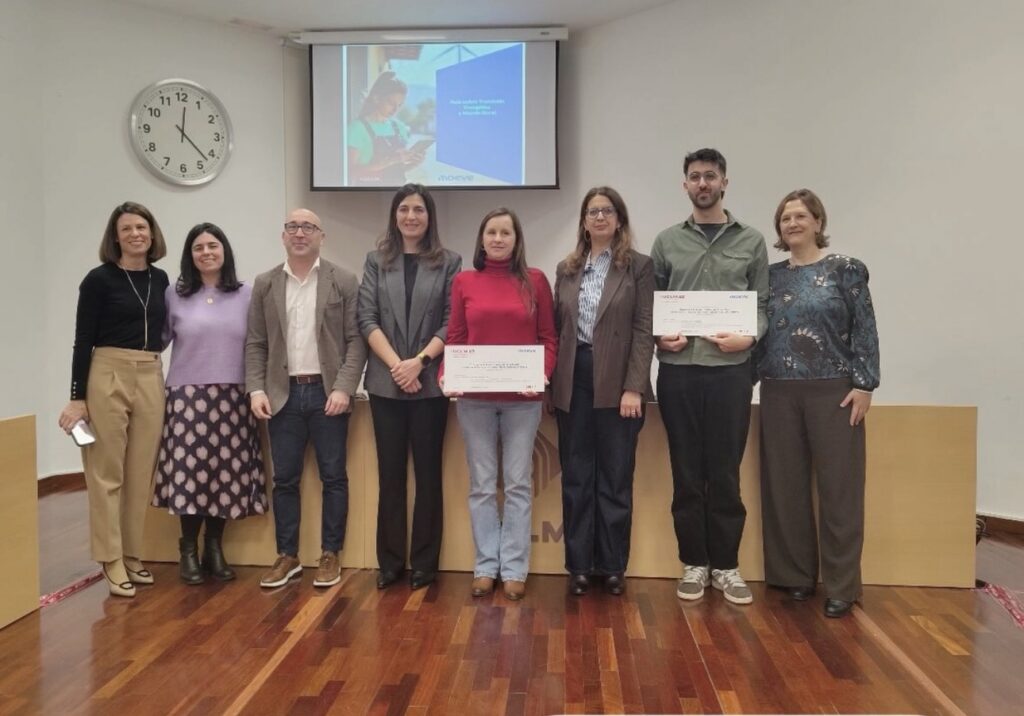
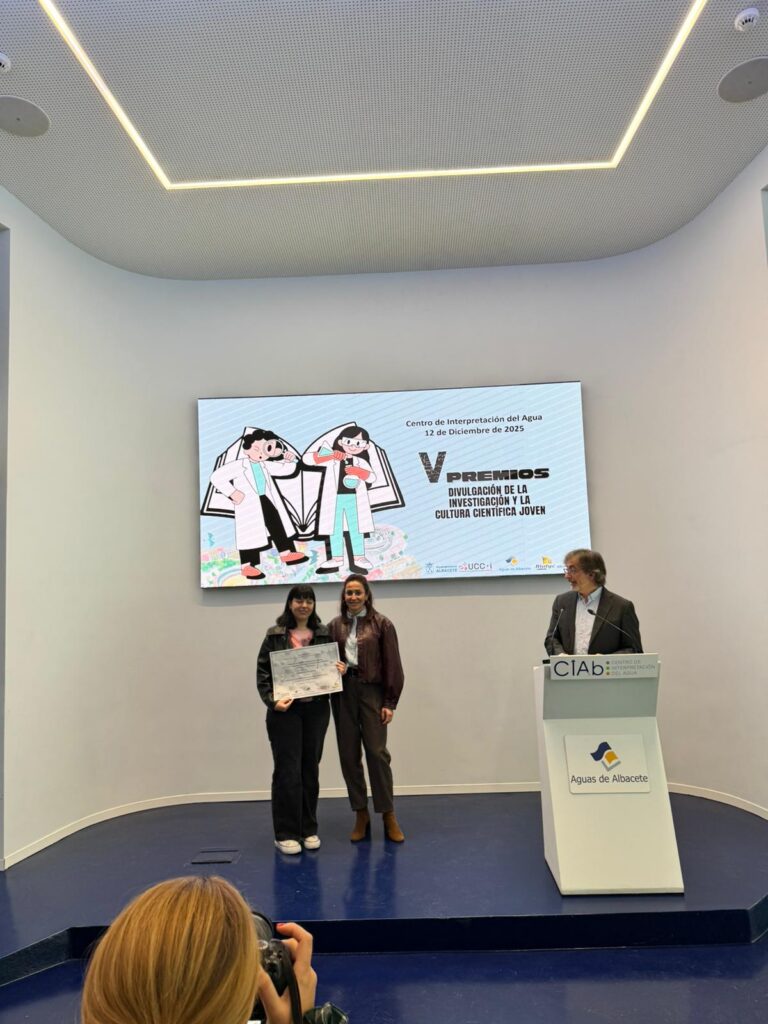
Furthermore, within the framework of the project, Marina Sánchez Serrano received the University Research Award for PhD Holders in the Fields of Arts, Humanities, and Social and Legal Sciences, granted by the City Council of Albacete, for her work Carbon Taxation: Environmental Challenges and Solutions for Castilla-La Mancha, and she also participated in the Hilo Tesis competition.
Cristian Soria Valcárcel received awards for his Bachelor’s Thesis ‘The Influence of Environmental Attitude on Consumption Decisions: The Case of Adolescents in Castilla-La Mancha’ and his Master’s Thesis ‘Impact of Consumption Decisions: An Analysis of Eco-Anxiety and Its Relationship with Pro-Environmental Behavior in Adolescents in Castilla-La Mancha’, granted by the Environmental Education Classroom and the Energy Transition Classroom, respectively.
Ángela García at «CONCIENCIA2 POR EL CLIMA»

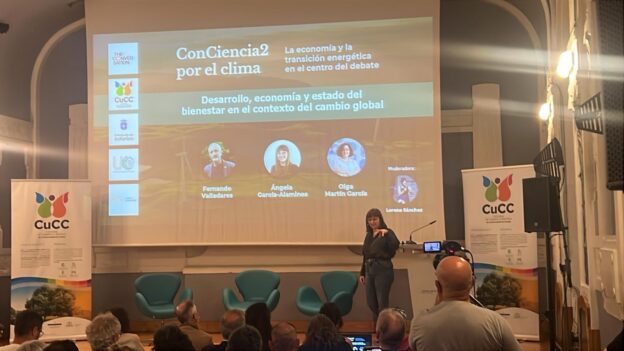
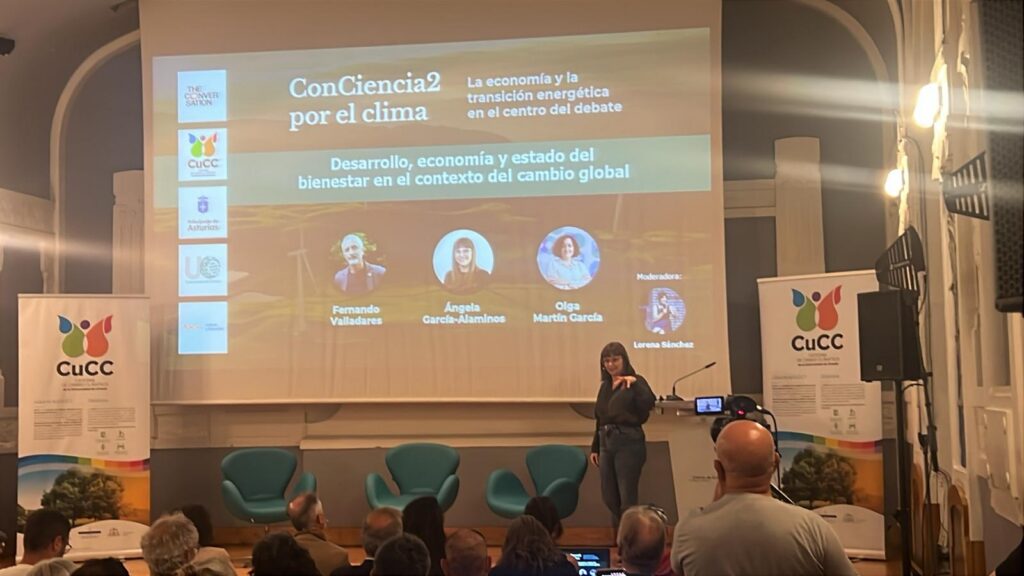
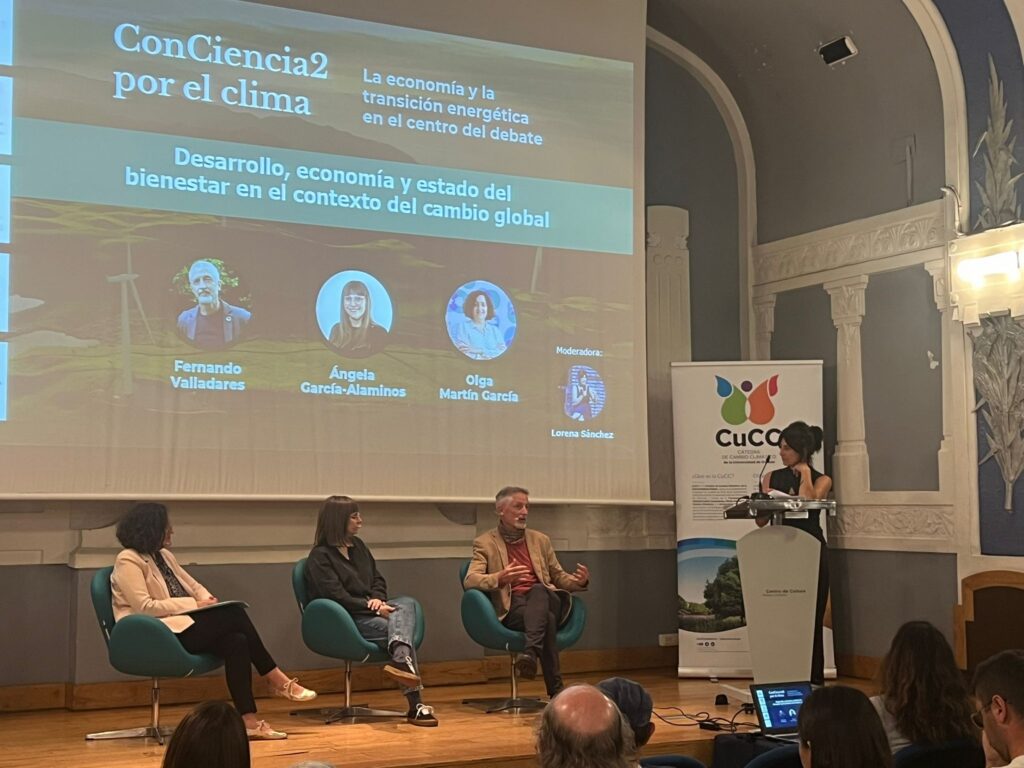
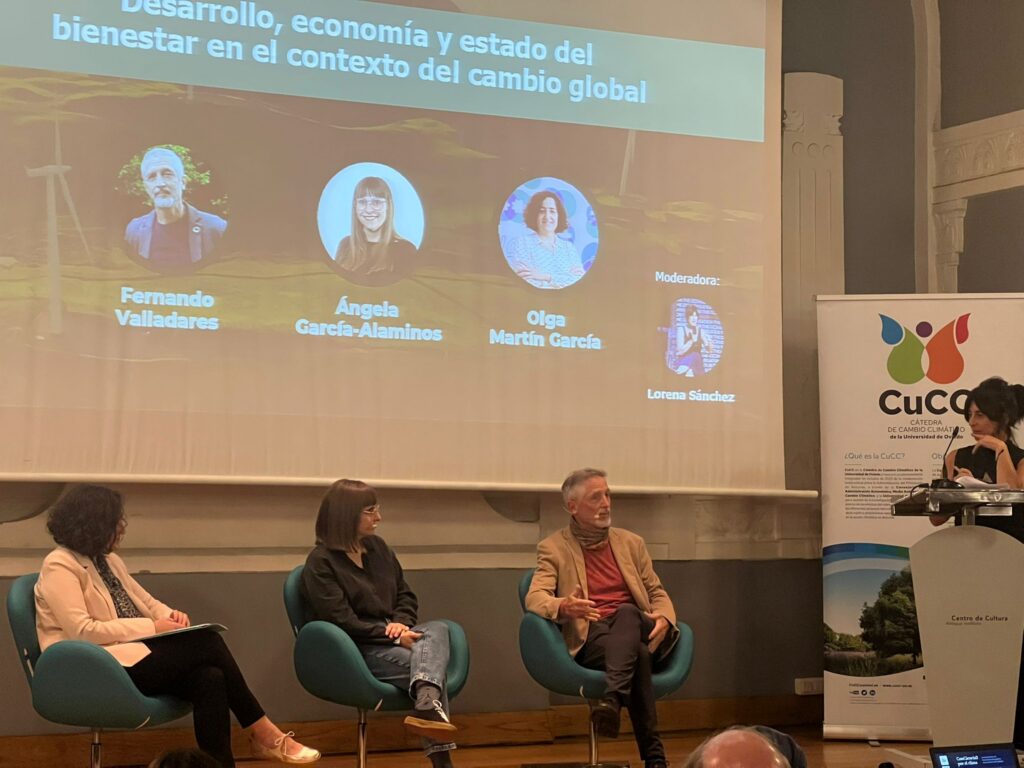
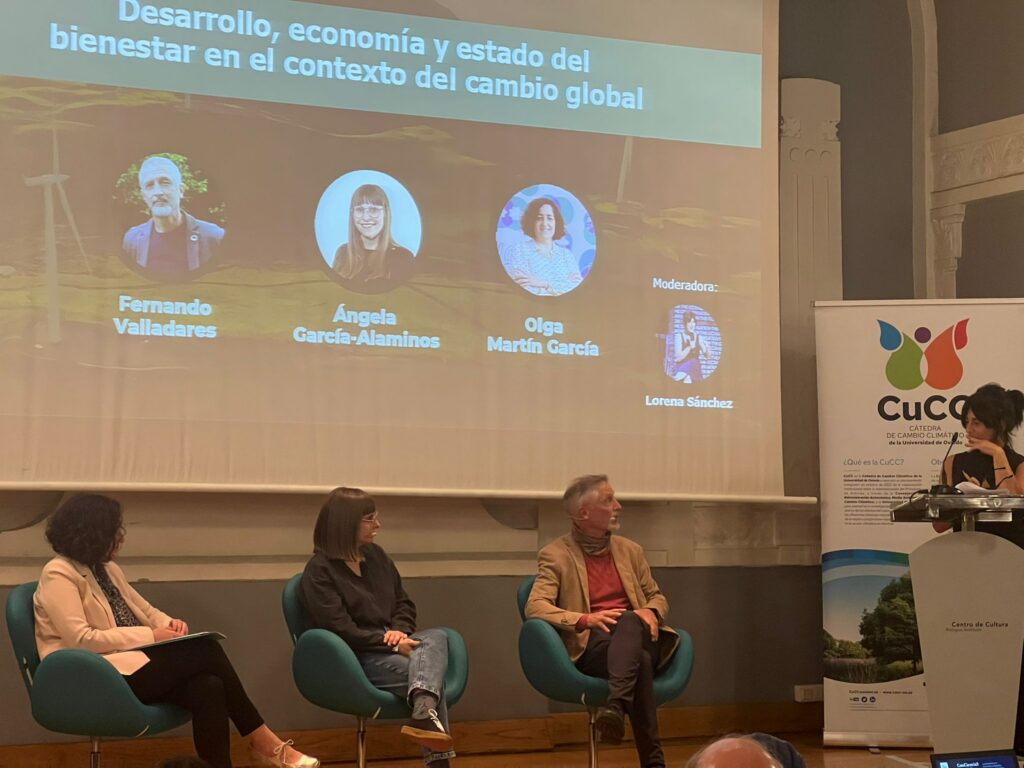
Ángela García Alaminos, a researcher with the GEAR group, participated as a speaker at the ConCiencia2 por el clima event, held on September 23 at the Antiguo Instituto in Gijón. The event was organized by The Conversation and the Climate Change Chair of the University of Oviedo.

In the roundtable titled “Development, Economy, and the Welfare State in the Context of Global Change”, she shared her insights alongside biologist Fernando Valladares (CSIC) and chemist Olga Martín Alonso (Aclima), in a discussion moderated by Lorena Sánchez (The Conversation).

Ángela addressed key issues, including the implications of potential restructuring of global value chains and the environmental impact of international trade, offering a critical economic perspective on the challenges posed by the ecological transition in vulnerable contexts.

Congrats, Ángela!

CONGRATS MARINA!

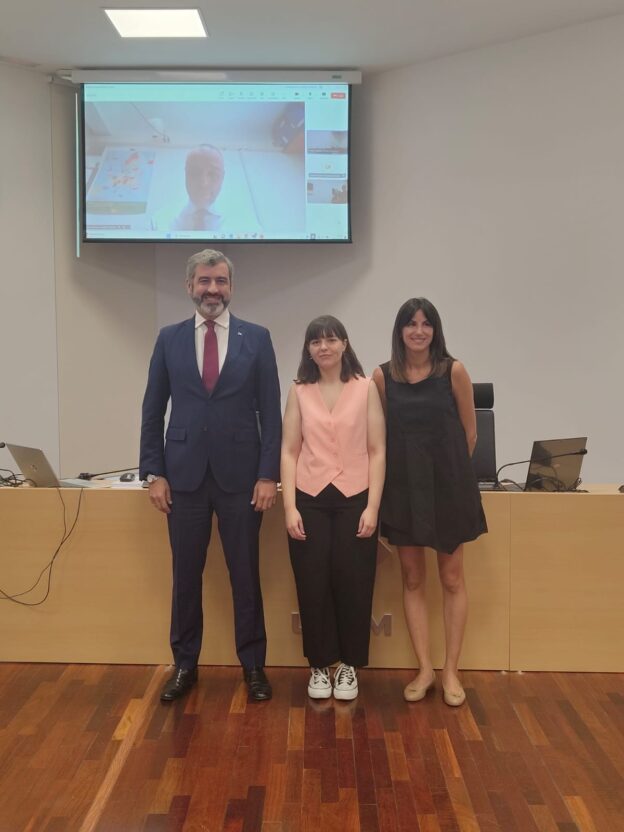
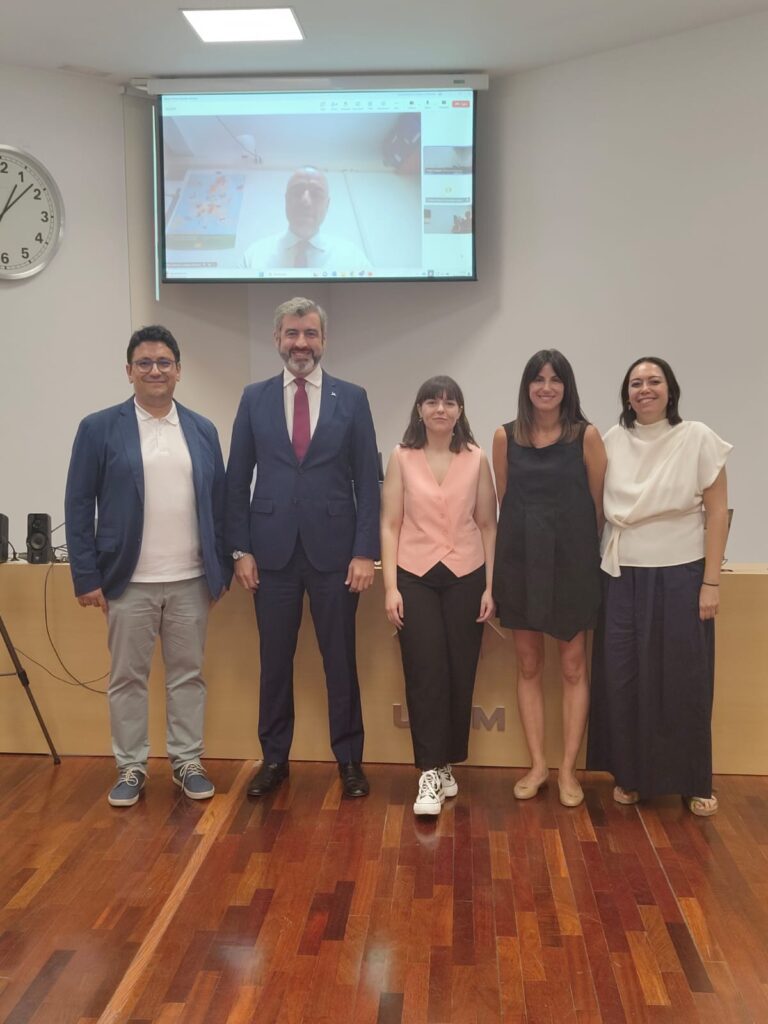
Last Friday, July 18, Marina Sánchez-Serrano, GEAR member, brilliantly completed her PhD in Economics.

The Thesis entitled «La heterogeneidad de los hogares y su impacto sobre la sostenibilidad.
Un análisis multiescalar a través del enfoque input-output», was supervised by Jorge Zafrilla and Guadalupe Arce.

Do you want to know more about Marina’s thesis? Follow this link: https://bsky.app/profile/marinas13.bsky.social/post/3lrssosttk22f

The thesis tribunal was formed by Professors Cristina Sarasa, from University of Zaragoza, Spain, and Andrea Caragliu, from Politecnico di Milano, and by European Commission member Antonio Amores.

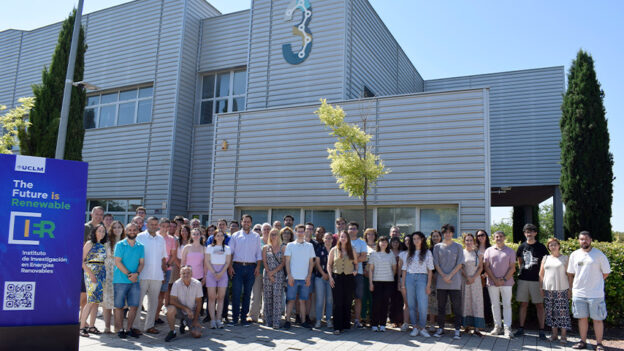
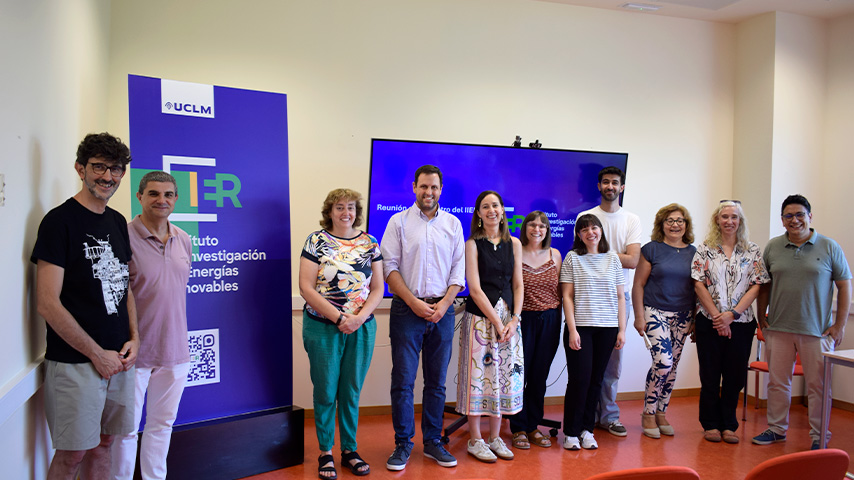
GEAR joins the Renewable Energy Research Institute of the UCLM

The future is renewable!

The Renewable Energy Research Institute (IIER) of the University of Castilla-La Mancha (UCLM) has expanded its structure by incorporating the GEAR research group in Energy and Environmental Economics. This integration, formalized at the IIER headquarters, strengthens the institute’s capabilities in addressing challenges related to energy transition and sustainability.

GEAR is internationally recognized for its work in economic modeling applied to sustainability, including studies on photovoltaic parks, carbon footprint analysis in agri-food and tourism sectors, and advising on sustainable business plans. Their achievements include publications in high-impact journals, participation in European and national projects, collaboration with companies, and the creation of a university spin-off.

With this addition, IIER enhances its service offerings to industry and contributes to the training of UCLM graduates in advanced sustainable technologies. It also reinforces its commitment to society by disseminating progress in energy and environmental research.

The institute now integrates economic analysis with its existing work in renewable energy sources, biomass, thermal storage, green hydrogen, additive manufacturing for solid-state batteries, and environmental impact studies in the agroforestry sector.

News from the UCLM Press Office: https://www.uclm.es/noticias/noticias2025/julio/albacete/iier_gear?sc_lang=es#

IIER website: https://www.uclm.es/centros-investigacion/ier?sc_lang=en

NEW PUBLICATION IN ICE JOURNAL

The GEAR members Ángela García-Alaminos, María Ángeles Tobarra, and María Ángeles Cadarso have recently published the paper “Drivers of the Carbon Footprint Impact Resulting from the Reconfiguration of Global Value Chains» in the most recent issue of the Spanish journal Cuadernos Económicos de ICE, entitled “International trade and global value chains in a new global context. The article is a result of the European Commission under Horizon Europe project TWIN SEEDS (Towards a World Integrated and Socio-economically Balanced European Economic Development Scenario), grant number 101056793 (https://doi. org/10.3030/101056793) and has also received funding from the University of Castilla-La Mancha and the EU Regional Development Fund trough the project SOS-ESOCAM (ref. 2022-GRIN-34177).

This study aims to assess whether the evolution of the global value chains (GVCs) in which the Spanish economy is embedded has contributed to emission reduction goals or not. To this end, we analyze the evolution of Spain’s carbon emissions from multiple perspectives between 1995 and 2018, and evaluate their determinants through a structural decomposition analysis using an extended multi-regional input-output model. We pay particular attention to the impact of GVC reconfiguration, which has shifted from greater fragmentation and offshoring of production to a slowdown in globalization and even reshoring of activities. Our results show that the geographical factor of these GVCs has contributed to increasing emissions throughout the entire period, while other factors (emission intensity, demand level and pattern) have helped reduce them since 2008.

You can find the full text here: https://doi.org/10.32796/cice.2025.109.7925