[fusion_builder_container hundred_percent=»yes» overflow=»visible»][fusion_builder_row][fusion_builder_column type=»1_5″ last=»no» spacing=»yes» center_content=»no» hide_on_mobile=»no» background_color=»» background_image=»https://blog.uclm.es/escueladetraductores/wp-content/uploads/sites/203/2016/05/estrellas.jpg» background_repeat=»no-repeat» background_position=»left top» hover_type=»none» link=»» border_position=»all» border_size=»0px» border_color=»» border_style=»solid» padding=»» margin_top=»» margin_bottom=»» animation_type=»0″ animation_direction=»down» animation_speed=»0.1″ animation_offset=»» class=»» id=»»][/fusion_builder_column][fusion_builder_column type=»4_5″ last=»yes» spacing=»yes» center_content=»no» hide_on_mobile=»no» background_color=»» background_image=»» background_repeat=»no-repeat» background_position=»left top» hover_type=»none» link=»» border_position=»all» border_size=»0px» border_color=»» border_style=»» padding=»» margin_top=»» margin_bottom=»» animation_type=»» animation_direction=»» animation_speed=»0.1″ animation_offset=»» class=»» id=»»][fusion_text]
Due to the geographical proximity and the wide history shared, the cultural relations between Spain and Morocco suffer from a lack of vitality and fluency. In this sense, and as a tool for knowledge, books continue to be the most effective support to favour a more peaceful and rested sight of the other. This program, with the purpose of easing such scarcity through translation, tries to move both Spanish lectors and researchers closer to a part of the Moroccan writings.
Literatura y Pensamiento Marroquíes Contemporáneos is a translation and edition program of fundamental Works about the literature and thought of the contemporary Morocco, originally written in Arabic. Those works that have been translated and published in this program, which was created in 1999, have received the support of the Spanish Cooperation for Development Agency, Toledo University Patronage and The European Cultural Foundation. Its edition and publication have been carried by East and Mediterranean Editions, Trotta publishing house, Quórum publishing house, and Alcalá Group publishing house.
[/fusion_text][/fusion_builder_column][/fusion_builder_row][/fusion_builder_container][fusion_builder_container background_color=»#d34715″ background_image=»» background_parallax=»none» enable_mobile=»no» parallax_speed=»0.3″ background_repeat=»no-repeat» background_position=»left top» video_url=»» video_aspect_ratio=»16:9″ video_webm=»» video_mp4=»» video_ogv=»» video_preview_image=»» overlay_color=»» overlay_opacity=»0.5″ video_mute=»yes» video_loop=»yes» fade=»no» border_size=»0px» border_color=»» border_style=»solid» padding_top=»20″ padding_bottom=»20″ padding_left=»» padding_right=»» hundred_percent=»no» equal_height_columns=»no» hide_on_mobile=»no» menu_anchor=»» class=»» id=»»][fusion_builder_row][fusion_builder_column type=»1_1″ background_position=»left top» background_color=»» border_size=»» border_color=»» border_style=»solid» spacing=»yes» background_image=»» background_repeat=»no-repeat» padding=»» margin_top=»0px» margin_bottom=»0px» class=»» id=»» animation_type=»» animation_speed=»0.3″ animation_direction=»left» hide_on_mobile=»no» center_content=»no» min_height=»none»][fusion_text][/fusion_text][/fusion_builder_column][/fusion_builder_row][/fusion_builder_container][fusion_builder_container hundred_percent=»yes» overflow=»visible»][fusion_builder_row][fusion_builder_column type=»1_1″ background_position=»left top» background_color=»» border_size=»» border_color=»» border_style=»solid» spacing=»yes» background_image=»» background_repeat=»no-repeat» padding=»» margin_top=»0px» margin_bottom=»0px» class=»» id=»» animation_type=»» animation_speed=»0.3″ animation_direction=»left» hide_on_mobile=»no» center_content=»no» min_height=»none»][fusion_section_separator divider_candy=»bottom» icon=»» icon_color=»#d34715″ bordersize=»1px» bordercolor=»#d34715″ backgroundcolor=»#d34715″ class=»» id=»»/][/fusion_builder_column][/fusion_builder_row][/fusion_builder_container][fusion_builder_container background_color=»» background_image=»» background_parallax=»none» enable_mobile=»no» parallax_speed=»0.3″ background_repeat=»no-repeat» background_position=»left top» video_url=»» video_aspect_ratio=»16:9″ video_webm=»» video_mp4=»» video_ogv=»» video_preview_image=»» overlay_color=»» overlay_opacity=»0.5″ video_mute=»yes» video_loop=»yes» fade=»no» border_size=»0px» border_color=»» border_style=»solid» padding_top=»20″ padding_bottom=»20″ padding_left=»» padding_right=»» hundred_percent=»no» equal_height_columns=»no» hide_on_mobile=»no» menu_anchor=»» class=»» id=»»][fusion_builder_row][fusion_builder_column type=»1_4″ last=»no» spacing=»yes» center_content=»no» hide_on_mobile=»no» background_color=»» background_image=»» background_repeat=»no-repeat» background_position=»left top» hover_type=»none» link=»» border_position=»all» border_size=»0″ border_color=»» border_style=»solid» padding=»» margin_top=»» margin_bottom=»» animation_type=»0″ animation_direction=»down» animation_speed=»0.1″ animation_offset=»» class=»» id=»»][fusion_text] [/fusion_text][fusion_button link=»https://issuu.com/escueladetraductorestoledo/docs/skmbt_c28016051712300?e=24629791/36308338″ color=»orange» size=»small» stretch=»no» type=»3d» shape=»pill» target=»_self» title=»» gradient_colors=»|» gradient_hover_colors=»|» accent_color=»» accent_hover_color=»» bevel_color=»» border_width=»» icon=»» icon_position=»left» icon_divider=»no» modal=»» animation_type=»0″ animation_direction=»left» animation_speed=»1″ animation_offset=»» alignment=»center» class=»» id=»»]Read an Extract[/fusion_button][fusion_accordion divider_line=»» class=»» id=»»][fusion_toggle title=»Bibliographic Card» open=»no»]
De la niñez. Abdelmayid Benyellún. Traducción del árabe por Salvador Peña Martín. Madrid: Ediciones del oriente y del mediterráneo, 1999. ISBN: 84-87198-56-2
Beneyllún provides the reader with an autobiography, which has been Moroccan Letters National Award honoree. It is the reencounter of a Moroccan young boy with his country after living in Europe. This background is used by the author to show all changes that a society is suffering, as it is the period of the Moroccan nationalism apogee. The sensibility used to describe the life of this little young boy has caught reader’s attention. The main character has been distraught by his mother’s death, the care of a nursemaid from Marrakech, his relation with his neighbours in Manchester, and those days playing football and taking Arab classes in Algarawiyín de Fez Mosque, which is one of the most prestigious centres of the Arab world. Abdelmayid Benyellúb (Casablanca, 1919-1981), was a man of Humanities and a Moroccan politician who lived in Manchester and Fez during his early ages. He did Phylosophy, Humanities and Journalism studies in Cairo where he became one of the founders of the Arab-Magreb Office in 1947.
[/fusion_toggle][/fusion_accordion][/fusion_builder_column][fusion_builder_column type=»1_4″ last=»no» spacing=»yes» center_content=»no» hide_on_mobile=»no» background_color=»» background_image=»» background_repeat=»no-repeat» background_position=»left top» hover_type=»none» link=»» border_position=»all» border_size=»0px» border_color=»» border_style=»solid» padding=»» margin_top=»» margin_bottom=»» animation_type=»0″ animation_direction=»down» animation_speed=»0.1″ animation_offset=»» class=»» id=»»][fusion_text]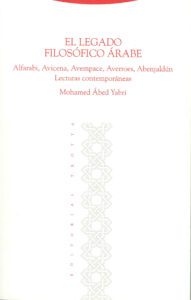 [/fusion_text][fusion_button link=»https://issuu.com/escueladetraductorestoledo/docs/el_legado_filos__fico» color=»orange» size=»small» stretch=»no» type=»3d» shape=»pill» target=»_self» title=»» gradient_colors=»|» gradient_hover_colors=»|» accent_color=»» accent_hover_color=»» bevel_color=»» border_width=»» icon=»» icon_position=»left» icon_divider=»no» modal=»» animation_type=»0″ animation_direction=»left» animation_speed=»1″ animation_offset=»» alignment=»center» class=»» id=»»]Read an Extract[/fusion_button][fusion_accordion divider_line=»» class=»» id=»»][fusion_toggle title=»Bibliographic Card» open=»no»]
El legado filosófico árabe: Alfarabi, Avicena, Avempace, Averroes, Abenjaldún. Lecturas contemporáneas. Mohamed Ábed Yabri. Traducción del árabe por Manuel Feria García. Madrid: Editorial Trotta, 2001. ISBN: 84-8164-449-8
The Arab philosophy legacy provides a new approach to the traditional Arab philosophy from the inside. The novel emerges as a response to scientific conditions such as ideological doubts about the National Renaissance of the 19th Century that promoted the Arab legacy’s recovery. The basic premise is that Arab philosophy is not the same as that of the contemporary and modern Greek and European philosophy, which is based on an unceasing updated reinterpretation of its own story. On the contrary, the Arab philosophy is a group of independent interpretations of a different philosophy: the Greek philosophy; a different interpretation that subordinated the same cognitive material with different and divergent purposes. Mohamed Ábed Yabri (Uxda, 1936) is teaching Arab- Islamic philosophy and thoughts in Muhammad V University since 1967.
[/fusion_toggle][/fusion_accordion][/fusion_builder_column][fusion_builder_column type=»1_4″ last=»no» spacing=»yes» center_content=»no» hide_on_mobile=»no» background_color=»» background_image=»» background_repeat=»no-repeat» background_position=»left top» hover_type=»none» link=»» border_position=»all» border_size=»0px» border_color=»» border_style=»solid» padding=»» margin_top=»» margin_bottom=»» animation_type=»0″ animation_direction=»down» animation_speed=»0.1″ animation_offset=»» class=»» id=»»][fusion_text]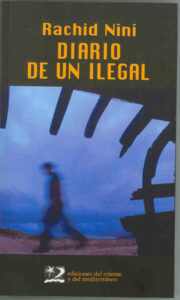 [/fusion_text][fusion_button link=»https://issuu.com/escueladetraductorestoledo/docs/skmbt_c28016051809140?e=24629791/36308199 » color=»orange» size=»small» stretch=»no» type=»3d» shape=»pill» target=»_self» title=»» gradient_colors=»|» gradient_hover_colors=»|» accent_color=»» accent_hover_color=»» bevel_color=»» border_width=»» icon=»» icon_position=»left» icon_divider=»no» modal=»» animation_type=»0″ animation_direction=»left» animation_speed=»1″ animation_offset=»» alignment=»center» class=»» id=»»]Read an Extract[/fusion_button][fusion_accordion divider_line=»» class=»» id=»»][fusion_toggle title=»Bibliographic Card» open=»no»]
Diario de un ilegal. Rachid Nini. Traducción del árabe por Gonzalo Fernández y Malika Embarek. Madrid: Ediciones del Oriente y del Mediterráneo, 2002. ISBN: 84-87198-81-3
In this novel, the author is sarcastic about the stereotypes of The Other in both sides of the Gibraltar Strait: on one side, that mythical “The Golden” that fades once it is reached; and on the other side, that mixture of both an idyllic sight and racial prejudices. Through a frequent use of flashback, this work of simple fracture tackles at first-hand the testimony of illegal immigrants in Spain as well as the vision of exile’s loneliness. The experience of a great multitude of human beings that see themselves forced to abandon their homeland in order to find a new one where they can reinvent and reunite with themselves again. Rachid Nini (Benslimán, 1970) is graduated in Philosophy and Literature and has worked as journalist in written and audio-visual Moroccan press.
[/fusion_toggle][/fusion_accordion][/fusion_builder_column][fusion_builder_column type=»1_4″ last=»yes» spacing=»yes» center_content=»no» hide_on_mobile=»no» background_color=»» background_image=»» background_repeat=»no-repeat» background_position=»left top» hover_type=»none» link=»» border_position=»all» border_size=»0px» border_color=»» border_style=»solid» padding=»» margin_top=»» margin_bottom=»» animation_type=»0″ animation_direction=»down» animation_speed=»0.1″ animation_offset=»» class=»» id=»»][fusion_text]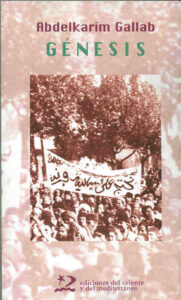 [/fusion_text][fusion_button link=»https://issuu.com/escueladetraductorestoledo/docs/skmbt_c28016051809180?e=24629791/36308183 » color=»orange» size=»small» stretch=»no» type=»3d» shape=»pill» target=»_self» title=»» gradient_colors=»|» gradient_hover_colors=»|» accent_color=»» accent_hover_color=»» bevel_color=»» border_width=»» icon=»» icon_position=»left» icon_divider=»no» modal=»» animation_type=»0″ animation_direction=»left» animation_speed=»1″ animation_offset=»» alignment=»center» class=»» id=»»]Read an Extract[/fusion_button][fusion_accordion divider_line=»» class=»» id=»»][fusion_toggle title=»Bibliographic Card» open=»no»]
Génesis. Abdelkarim Gallab. Traducción del árabe por Ángel Gimeno. Madrid: Ediciones del Oriente y del Mediterráneo, 2004. ISBN: 84-96327-12-4
Génesis is a novelized memoir of the modern country of Morocco, a nation whose first pages are just the background of its author’s personal story – Gallab, hidden behind the use of the third person of singular will narrate his birth, Koranic schools, Algarawiyín or the discovery of Fez and its neigbourhoods… . A country that imposes itself in the narration to review the protectorate, social and political issues, life in prison, the salafía and East influence, while describing with magnificent brushstrokes characters such as sultan Muley Yusuf, Yautey, Allal el Fasi or Ibrahim el Kattani. Abdelkarim Gallab (Fez, 1919), is one of the more outstanding political and literature figures in the 20th Century. Author of more than forty works of historical research, political essays, literary criticism, etc., has also stood out in politics executing significant positions.
[/fusion_toggle][/fusion_accordion][/fusion_builder_column][fusion_builder_column type=»1_4″ last=»no» spacing=»yes» center_content=»no» hide_on_mobile=»no» background_color=»» background_image=»» background_repeat=»no-repeat» background_position=»left top» hover_type=»none» link=»» border_position=»all» border_size=»0px» border_color=»» border_style=»» padding=»» margin_top=»» margin_bottom=»» animation_type=»» animation_direction=»» animation_speed=»0.1″ animation_offset=»» class=»» id=»»][fusion_text]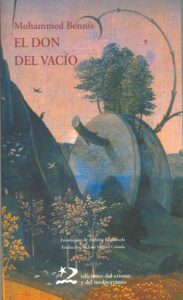 [/fusion_text][fusion_button link=»https://issuu.com/escueladetraductorestoledo/docs/el_don_del_vac__o » color=»orange» size=»small» stretch=»no» type=»3d» shape=»pill» target=»_self» title=»» gradient_colors=»|» gradient_hover_colors=»|» accent_color=»» accent_hover_color=»» bevel_color=»» border_width=»» icon=»» icon_position=»left» icon_divider=»no» modal=»» animation_type=»0″ animation_direction=»left» animation_speed=»1″ animation_offset=»» alignment=»center» class=»» id=»»]Read an Extract[/fusion_button][fusion_accordion divider_line=»» class=»» id=»»][fusion_toggle title=»Bibliographic Card» open=»no»]
El don del vacío. Mohammed Bennís. Ed. bilingüe. Traducción del árabe por Luis Miguel P. Cañada. Frontispicio de Antonio Gamoneda. Madrid: Ediciones del Oriente y del Mediterráneo, 2006. ISBN: 84-96327-35-3
“El don del vacío” is possibly the most representative work of Bennís. It is characterized by its verbal peculiarity, strong and heavy image and categorical words and an island-like language are the most significant features of this novel as well as his last works. This peculiarity is going to be always divided between free-verse and prose poems, full of values and Sufis terms, both classics and the most Moroccan tradition. Mohammed Bennís was born in Fez (1948). He is a poet, editor, translator, critic of literature and professor in Mohammed V University. This work, which won Libro Marroquí Prize in 1993, collects more than a hundred poems written between 1985 and 1991.
[/fusion_toggle][/fusion_accordion][/fusion_builder_column][fusion_builder_column type=»1_4″ last=»no» spacing=»yes» center_content=»no» hide_on_mobile=»no» background_color=»» background_image=»» background_repeat=»no-repeat» background_position=»left top» hover_type=»none» link=»» border_position=»all» border_size=»0px» border_color=»» border_style=»» padding=»» margin_top=»» margin_bottom=»» animation_type=»» animation_direction=»» animation_speed=»0.1″ animation_offset=»» class=»» id=»»][fusion_text] [/fusion_text][fusion_button link=»https://issuu.com/escueladetraductorestoledo/docs/fitna_para_isuu » color=»orange» size=»small» stretch=»no» type=»3d» shape=»pill» target=»_self» title=»» gradient_colors=»|» gradient_hover_colors=»|» accent_color=»» accent_hover_color=»» bevel_color=»» border_width=»» icon=»» icon_position=»left» icon_divider=»no» modal=»» animation_type=»0″ animation_direction=»left» animation_speed=»1″ animation_offset=»» alignment=»center» class=»» id=»»]Read an Extract[/fusion_button][fusion_accordion divider_line=»» class=»» id=»»][fusion_toggle title=»Bibliographic Card» open=»no»]
Fitna. Salem Himmich. Traducción del árabe por Ignacio Ferrando Frutos. Cádiz: Editorial Quórum, 2008. ISBN: 84-88599-93-5
Emphasizing the wonderful disposition of the narrative material and the perfect style that characterizes Himmich’s literature, this novel offers us the possibility to know how the reins of power are controlled from the upper echelons of an imaginative dictatorship, identifiable among those dictatorships occurred in the Magreb countries in the last century. Salem Himmich, sociologist, poet and Moroccan novelist of high-standard, is author of a large work, reiteratedly winner critic and very well-known writer among Spanish readers by “El loco del poder”.
[/fusion_toggle][/fusion_accordion][/fusion_builder_column][fusion_builder_column type=»1_4″ last=»no» spacing=»yes» center_content=»no» hide_on_mobile=»no» background_color=»» background_image=»» background_repeat=»no-repeat» background_position=»left top» hover_type=»none» link=»» border_position=»all» border_size=»0px» border_color=»» border_style=»» padding=»» margin_top=»» margin_bottom=»» animation_type=»» animation_direction=»» animation_speed=»0.1″ animation_offset=»» class=»» id=»»][fusion_text]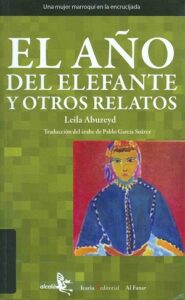 [/fusion_text][fusion_button link=»https://issuu.com/escueladetraductorestoledo/docs/el_a__o_del_elefante» color=»orange» size=»small» stretch=»no» type=»3d» shape=»pill» target=»_self» title=»» gradient_colors=»|» gradient_hover_colors=»|» accent_color=»» accent_hover_color=»» bevel_color=»» border_width=»» icon=»» icon_position=»left» icon_divider=»no» modal=»» animation_type=»0″ animation_direction=»left» animation_speed=»1″ animation_offset=»» alignment=»center» class=»» id=»»]Read an Extract[/fusion_button][fusion_accordion divider_line=»» class=»» id=»»][fusion_toggle title=»Bibliographic Card» open=»no»]
El año del elefante Leila Abou Zeid. Traducción del árabe por Pablo García Suárez. Granada: Alcalá Grupo Editorial, 2008. ISBN: 978-8496806-57-3
“El año del elefante y otros relatos” is the first novel of Abuzeyd. It tackles the conflict between the traditional Moroccan culture and the modern one, relationships within the family, poverty, and the position of the Moroccan woman in the second half of the 20th Century. Leila Abuzeyd (1950), graduated in English Literature and Journalism, has cultivated the novel, travel literature, biographical and autobiographical genres, and short stories in addition to being the author of many English translations into Arabic.
[/fusion_toggle][/fusion_accordion][/fusion_builder_column][fusion_builder_column type=»1_4″ last=»yes» spacing=»yes» center_content=»no» hide_on_mobile=»no» background_color=»» background_image=»» background_repeat=»no-repeat» background_position=»left top» hover_type=»none» link=»» border_position=»all» border_size=»0px» border_color=»» border_style=»» padding=»» margin_top=»» margin_bottom=»» animation_type=»» animation_direction=»» animation_speed=»0.1″ animation_offset=»» class=»» id=»»][fusion_text]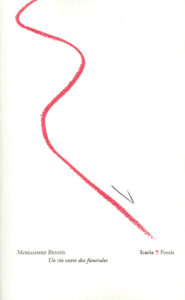 [/fusion_text][fusion_button link=»https://issuu.com/escueladetraductorestoledo/docs/un_r__o_ente_funerales » color=»orange» size=»small» stretch=»no» type=»3d» shape=»pill» target=»_self» title=»» gradient_colors=»|» gradient_hover_colors=»|» accent_color=»» accent_hover_color=»» bevel_color=»» border_width=»» icon=»» icon_position=»left» icon_divider=»no» modal=»» animation_type=»0″ animation_direction=»left» animation_speed=»1″ animation_offset=»» alignment=»center» class=»» id=»»]Leer un fragmento[/fusion_button][fusion_accordion divider_line=»» class=»» id=»»][fusion_toggle title=»Ficha bibliográfica» open=»no»]
Un río entre dos funerales. Mohammed Bennís. Traducción del árabe por Luis Miguel P. Cañada. . Barcelona: Icaria, 2010. ISBN: 978-84-9888-267-4
Es la segunda traducción al castellano de una novela de Bennís. Esta colección rinde homenaje a la Historia -por sus constantes referencias a las culturas anteislámica, griega, latina y persa- y a la Geografía, como resultado de la evocación recurrente de ríos, ciudades y paisajes de la cuenca mediterránea. La imagen de un río cercano y mítico, una marcada musicalidad y un tono de epopeya subrayan la lectura sincrética que el autor hace de las civilizaciones.
Mohammed Bennís, nacido en Fez (1948), es uno de los poetas con mayor proyección internacional de la escena árabe y paradigma de la modernidad de la poesía que hoy se escribe en Marruecos.
[/fusion_toggle][/fusion_accordion][/fusion_builder_column][fusion_builder_column type=»1_4″ last=»no» spacing=»yes» center_content=»no» hide_on_mobile=»no» background_color=»» background_image=»» background_repeat=»no-repeat» background_position=»left top» hover_type=»none» link=»» border_position=»all» border_size=»0px» border_color=»» border_style=»» padding=»» margin_top=»» margin_bottom=»» animation_type=»» animation_direction=»» animation_speed=»0.1″ animation_offset=»» class=»» id=»»][fusion_text]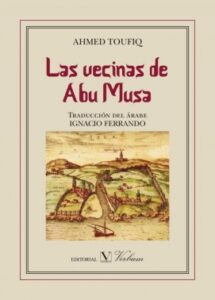 [/fusion_text][fusion_button link=»https://issuu.com/escueladetraductorestoledo/docs/las_vecinas_de_abu_musa » color=»orange» size=»small» stretch=»no» type=»3d» shape=»pill» target=»_self» title=»» gradient_colors=»|» gradient_hover_colors=»|» accent_color=»» accent_hover_color=»» bevel_color=»» border_width=»» icon=»» icon_position=»left» icon_divider=»no» modal=»» animation_type=»0″ animation_direction=»left» animation_speed=»1″ animation_offset=»» alignment=»center» class=»» id=»»]Read an Extract[/fusion_button][fusion_accordion divider_line=»» class=»» id=»»][fusion_toggle title=»Bibliographic Card» open=»no»]
Las vecinas de Abu Musa. Ahmed Toufiq. Traducción del árabe por Ignacio Ferrando Frutos. Madrid: Verbum, 2014. ISBN: 978-84-9074-135-1
The first literary work of Ahmed Toufiq reinvents the genre of hagiography and mystic tales with the way of a contemporary Arab novel. In order to follow Shama vicissitudes, her development in this life and the destiny inside the destiny of the Moroccan city of Salé; her town, her leaders, her fortune and ruins, and her loss, we find the inspiration, the tone, and the narration style of folk tales, a poetic, religious and historical tradition.
Ahmed Toufiq was born in 1943 in Marigha, close to Marrakech. He is doctor in Medieval History, he has been professor in the Department of History, Literature and Humanities in Muhammad V University in Rabat from 1970 to 1989. He has directed L’Institut des Etudes Africaines in the same university from 1989 to 1995, when he was proclaimed director of the National Library. He head up Abdelaziz al-Saud King Foundation for Casablanca’s Scientific Investigation and, he is currently ministry of Religious Affairs of Morocco.
[/fusion_toggle][/fusion_accordion][/fusion_builder_column][fusion_builder_column type=»1_4″ last=»no» spacing=»yes» center_content=»no» hide_on_mobile=»no» background_color=»» background_image=»» background_repeat=»no-repeat» background_position=»left top» hover_type=»none» link=»» border_position=»all» border_size=»0px» border_color=»» border_style=»» padding=»» margin_top=»» margin_bottom=»» animation_type=»» animation_direction=»» animation_speed=»0.1″ animation_offset=»» class=»» id=»»][fusion_text]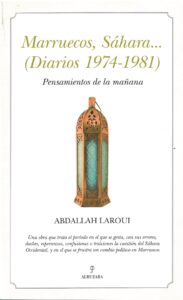 [/fusion_text][fusion_button link=»https://issuu.com/escueladetraductorestoledo/docs/marruecos__s__hara?e=24629791/36309395″ color=»orange» size=»small» stretch=»no» type=»3d» shape=»pill» target=»_self» title=»» gradient_colors=»|» gradient_hover_colors=»|» accent_color=»» accent_hover_color=»» bevel_color=»» border_width=»» icon=»» icon_position=»left» icon_divider=»no» modal=»» animation_type=»0″ animation_direction=»left» animation_speed=»1″ animation_offset=»» alignment=»center» class=»» id=»»]Read an Extract[/fusion_button][fusion_accordion divider_line=»» class=»» id=»»][fusion_toggle title=»Bibliographic Card» open=»no»]
Marruecos, Sáhara… (diarios 1974-1981). Abdallaha Laroui. Traducción de Gonzalo Fernández Parrilla y Malika Embarek López. Córdoba: Editorial Almuzara. 2015. ISBN: 978-84-16392-20-9
Marruecos, Sáhara… (Diarios 1974-1981) is a book that compiles concise reflections and deep analysis based on the years in which the Western Sáhara issue arose: 1974-1981. A period full of doubts and hopes, mistakes and treachery, in which a political change for Morocco was spoiled. These diaries propose us a wide reflection about the courage and crisis of the Arab unity, the troubled relations between Algeria and Morocco and, particularly the Sáhara’s destiny.
Abdallah Laroui, who is perhaps the Moroccan intellectual and historian with greater international recognition, is an old acquaintance of Spanish and European reader, as well as resolute counsel of a self-criticism sight about the history of Morocco. A sight that is far away from that of the media and politicians, in fact he defines the historian figure as an “enemy” of the political man. Since its publication in 2003, this works has not stopped to gain validity and credibility. It is a book of complaint of the traditionalism and the archaic, concealed in our days under the “authenticity’s” euphemism. It concludes with an embittered precept about the political and democratic future of his country: “For us, everything is truncated, unfinished, as the Hasan of Rabat Tower.”
.
[/fusion_toggle][/fusion_accordion][/fusion_builder_column][fusion_builder_column type=»1_4″ last=»no» spacing=»yes» center_content=»no» hide_on_mobile=»no» background_color=»» background_image=»» background_repeat=»no-repeat» background_position=»left top» hover_type=»none» link=»» border_position=»all» border_size=»0px» border_color=»» border_style=»» padding=»» margin_top=»» margin_bottom=»» animation_type=»» animation_direction=»» animation_speed=»0.1″ animation_offset=»» class=»» id=»»][fusion_text]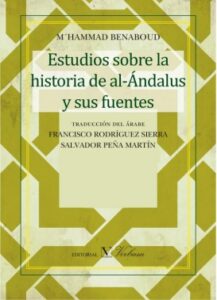 [/fusion_text][fusion_button link=»https://issuu.com/escueladetraductorestoledo/docs/estudios_sobre_la_historia_de_al-an» color=»orange» size=»small» stretch=»no» type=»3d» shape=»pill» target=»_self» title=»» gradient_colors=»|» gradient_hover_colors=»|» accent_color=»» accent_hover_color=»» bevel_color=»» border_width=»» icon=»» icon_position=»left» icon_divider=»no» modal=»» animation_type=»0″ animation_direction=»left» animation_speed=»1″ animation_offset=»» alignment=»center» class=»» id=»»]Read an Extract[/fusion_button][fusion_accordion divider_line=»» class=»» id=»»][fusion_toggle title=»Bibliographic Card» open=»no»]
Estudios sobre la historia de al-Ándalus y sus fuentes. M’hammad Benaboud. Traducción del árabe por Salvador Peña Martín y Francisco Rodríguez Sierra. Madrid: Verbum, 2015. ISBN: 978-84-9074-168-9
Estudios sobre la historia de al-Ándalus y sus fuentes tackles the past and present image of al-Ándalus history, and the developed role played by the Ulemas and the Moorish at the end of Taifa’s reigns. This book is composed by ten articles that appear in different publications. It is characterized by its extreme scientific rigour, the depth with which real historical aspects are interweaved in an original way with the secondary Andalusian sources, the excellence of the primary and secondary sources, an eclectic methodology, and an incorruptible critical spirit.
M’hammad Benaboud, who was born in Tétouan (1950), in the bosom of a family traditionally linked to the world of knowledge, works as a Medieval History professor in Abdelmalek Essaadi University in Tétouan.
.
[/fusion_toggle][/fusion_accordion][/fusion_builder_column][fusion_builder_column type=»1_4″ last=»yes» spacing=»yes» center_content=»no» hide_on_mobile=»no» background_color=»» background_image=»» background_repeat=»no-repeat» background_position=»left top» hover_type=»none» link=»» border_position=»all» border_size=»0px» border_color=»» border_style=»» padding=»» margin_top=»» margin_bottom=»» animation_type=»» animation_direction=»» animation_speed=»0.1″ animation_offset=»» class=»» id=»»][fusion_text]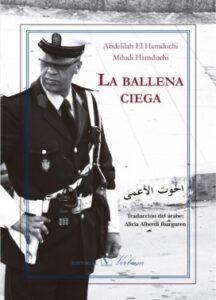 [/fusion_text][fusion_button link=»https://issuu.com/escueladetraductorestoledo/docs/pdf_la_ballena_ciega» color=»orange» size=»small» stretch=»no» type=»3d» shape=»pill» target=»_self» title=»» gradient_colors=»|» gradient_hover_colors=»|» accent_color=»» accent_hover_color=»» bevel_color=»» border_width=»» icon=»» icon_position=»left» icon_divider=»no» modal=»» animation_type=»0″ animation_direction=»left» animation_speed=»1″ animation_offset=»» alignment=»center» class=»» id=»»]Read an Extract[/fusion_button][fusion_accordion divider_line=»» class=»» id=»»][fusion_toggle title=»Bibliographic Card» open=»no»]
La ballena ciega. Abdelilah El Hamduchi y Miludi Hamduchi. Traducción del árabe de Alicia Alberdi Ibarguren. Madrid: Verbum, 2015. ISBN: 978-84-9074-211-2
This is the first crime novel published in Morocco. Due to its success, it was transferred to the big screen, and its authors published the second volume (al-Oadissa Yanyah, 1999) before starting their careers alone. This book begins with the mysterious appearance of a young woman in a solitary beach. The detective of this case is the officer Yaqzán. The modus operandi – a murder with a gun, two shots on the victim’s back, without resistance – makes the officer and his team to be afraid of the worst. These concerns are verified when they find the young lady dead (whose name is Hind, around 20 years old, beautiful, hard-working, without father and from a modest family.) She had an affair with an Italian boy, and a marriage proposal, which will never be, with his cousin who is living in France. These concerns continue to be verified when they find the young Italian boy dead in his house in almost the same circumstances as the girl: two shots at point-blank range and without resistance.
[/fusion_toggle][/fusion_accordion][/fusion_builder_column][/fusion_builder_row][/fusion_builder_container][fusion_builder_container hundred_percent=»yes» overflow=»visible» margin_top=»» margin_bottom=»» background_color=»rgba(255,255,255,0)»][fusion_builder_row][fusion_builder_column type=»1_1″ background_position=»left top» background_color=»» border_size=»» border_color=»» border_style=»solid» spacing=»yes» background_image=»» background_repeat=»no-repeat» padding=»» margin_top=»0px» margin_bottom=»0px» class=»» id=»» animation_type=»» animation_speed=»0.3″ animation_direction=»left» hide_on_mobile=»no» center_content=»no» min_height=»none»][fusion_separator style_type=»none» sep_color=»» border_size=»» icon=»» icon_circle=»» icon_circle_color=»» width=»» alignment=»» class=»» id=»»/][/fusion_builder_column][/fusion_builder_row][/fusion_builder_container]