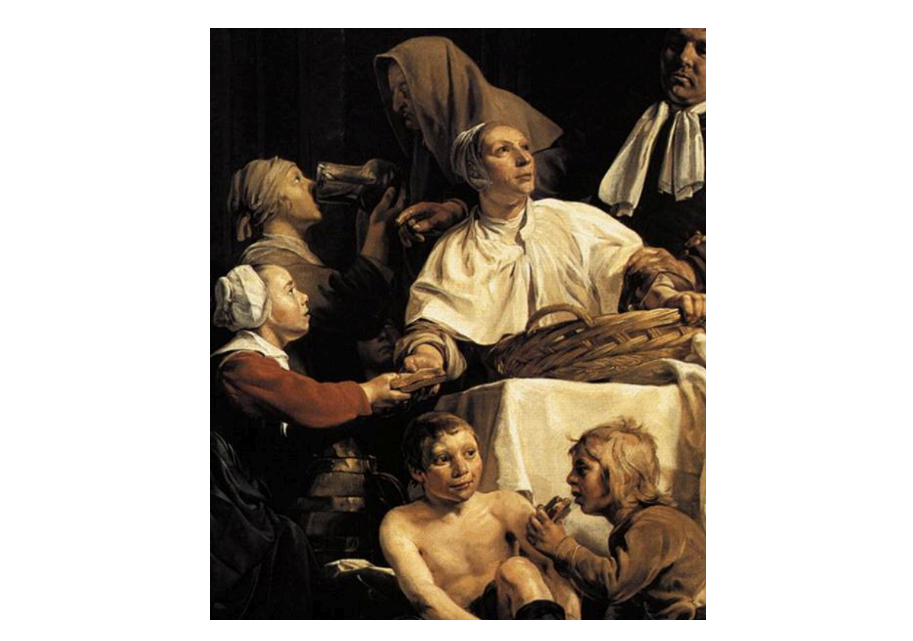
Institutions played an important role in the lives of many early modern children. Some children were shuffled through foundling hospitals to wet nurses shortly after their births. Others found themselves in the care of schools, reformatory institutions, orphanages and workhouses. Different institutions cared for children of different ages, so that an unfortunate child might move from one to another over their lifetime. An institution might provide a dowry to support successful entry into adulthood. There is now a growing body of work on children and a wide range of institutions, but much less attention has been placed on them as sites where children ‘grow up’, moving from infancy to childhood to adolescence, even adulthood. This workshop wishes to reconsider ongoing research on children and the institution, and to encourage novel contributions, that open up the institution as a placed in which children lived, loved, were educated and nourished, and formed relationships. How did children find a sense of belonging or identity as they aged and moved across different carers and types of care? How did children maintain bonds (or otherwise) with those they lived with? Can we see the traces of ongoing responsibility and attention from institutions to their wards, or is this a history of isolation from community? How are children integrated into the early modern world?